
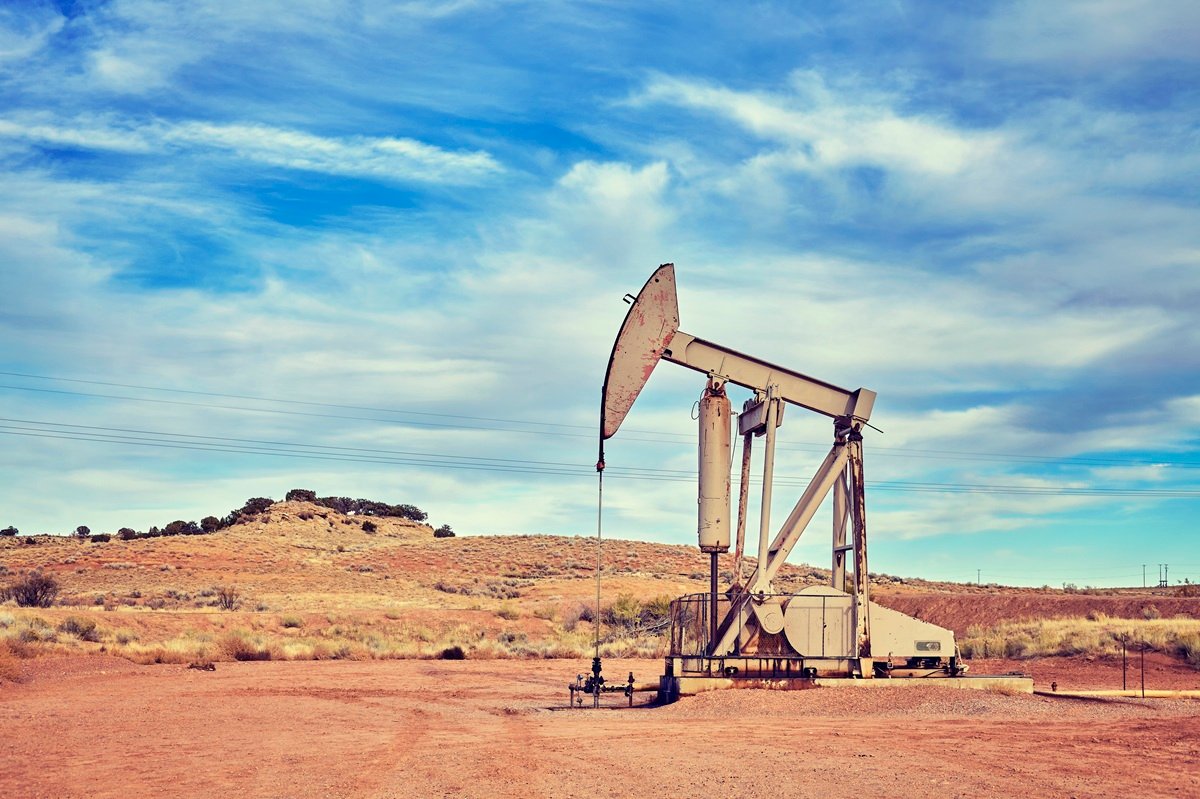
The Permian Basin remains one of the most attractive US onshore investment regions for accredited investors in 2026. It combines proven, multi-stacked productive geology, established midstream infrastructure, deep operator expertise, and per-well economics that are often competitive, even at conservative price assumptions.
Spanning across West Texas and southeast New Mexico, the Permian Basin is the single largest producing basin in the continental United States. It’s equally and most notably one of the largest in the world. Permian Basin investment opportunities in 2026 cover the full spectrum, from working interests and royalty interests in horizontal wells to direct participation programs targeting multi-well portfolios.
But, but what makes the Permian so distinctive and what should investors look out for when considering allocating capital in a Permian Basin oil and gas opportunity? In this article, we aim to divulge everything that you should know about Permian Basin Oil & Gas opportunities in 2026. This article expands on Permian Basin investment, while the comprehensive Investor Guide offers a broader look at the principles and mechanics of U.S. oil and gas investing.
Why the Permian Matters
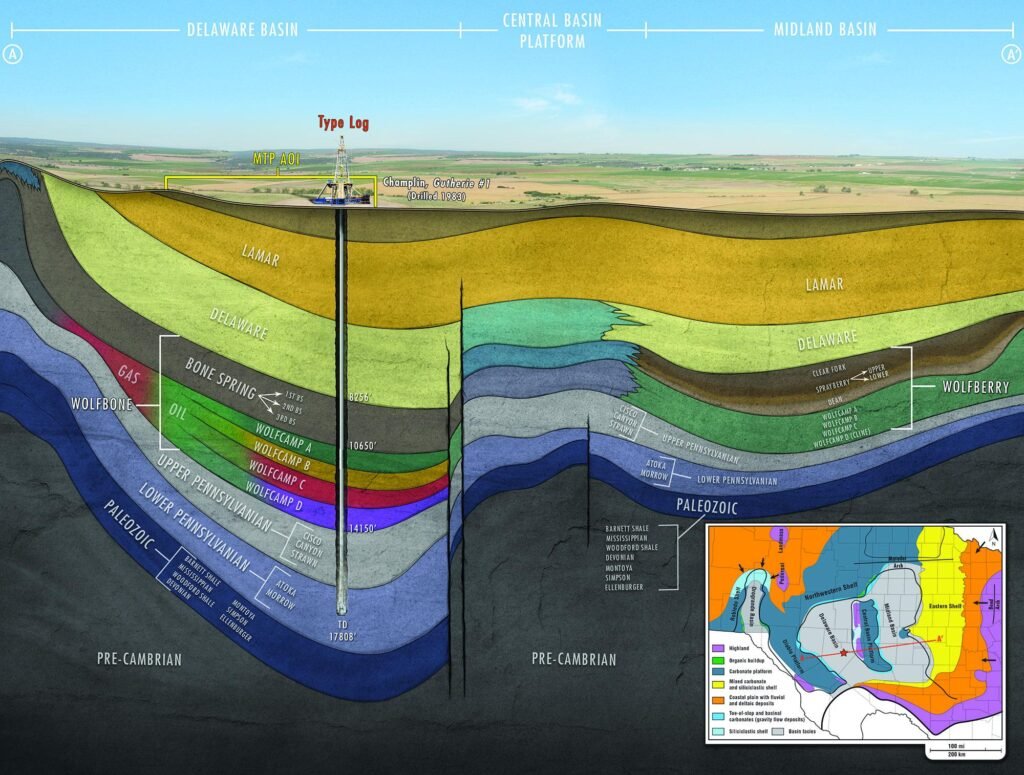
Image Credit: Forbes, 2017
Multiple US basins produce oil and gas. The Bakken in North Dakota, the Eagle Ford in South Texas, the DJ Basin in Colorado, the Anadarko in Oklahoma, and the Marcellus and Haynesville for natural gas all support meaningful drilling and investment activity. The Permian is considered to be an outlier for four reasons.
Stacked pay zones. The Permian’s geology is layered, with multiple productive intervals, including the Wolfcamp, Bone Spring, Spraberry, Avalon, and many others, which can be developed from a single surface location. This vertical stacking often dramatically improves capital efficiency: one drilling pad supports multiple wells targeting different formations, sharing surface infrastructure, and reducing per-well cost.
Established infrastructure. Decades of conventional production preceded the unconventional era. The basin has extensive pipelines, gathering systems, processing capacity, and water-handling infrastructure. New wells generally tie into existing infrastructure rather than requiring greenfield buildouts.
Operator depth. The Permian has more operating companies, more service-company capacity, and more accumulated geological knowledge than any other US basin. Drilling and completion techniques have been refined through countless horizontal and conventional wells.
Per-well economics. Wells in core Permian acreage often break even at conservative price assumptions. The combination of high initial production rates, productive thickness, and operating efficiency supports attractive economics across a variety of price environments.
These characteristics combined make the Permian Basin a structural focus for US upstream investment in 2026.
The Delaware vs Midland Sub-Basin Distinction
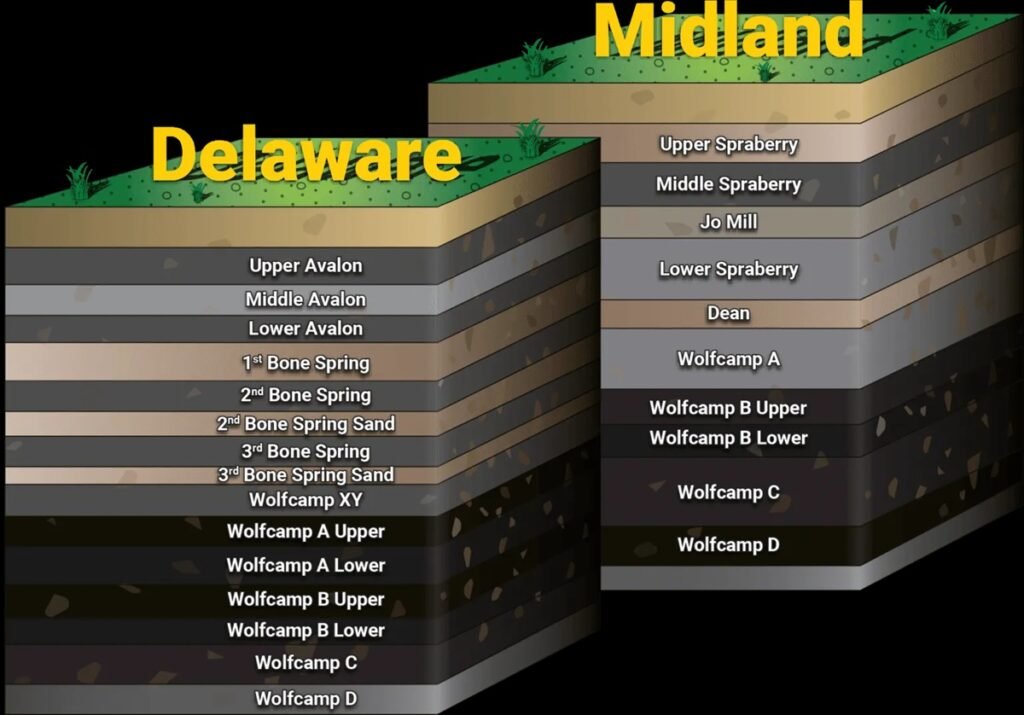
Image Source: Enverus, 2026
Within the Permian, there are two sub-basins: the Delaware (in West Texas and southeast New Mexico) and the Midland (in West Texas). Although located in the same basin, each of them has somewhat different characteristics. The Delaware tends to have more gas-weighted production and deeper, thicker pay zones.
The Midland tends to have more oil-weighted production and shallower depths. Both have core areas with strong economics and fringe areas where economics are more challenging. For investors evaluating a Permian opportunity, knowing which sub-basin and which sub-area within that sub-basin the opportunity lies is enormously important.
What to Look for in a Permian Basin Investment Opportunity
A disciplined Permian deal evaluation reflects the same four-pillar framework we often recommend:
An operator’s track record in the Permian specifically.
Permian-experienced operators with multi-year drilling and performance records showcasing prior projections are the foundational information required for any opportunity worth considering. Operators new to the basin face a learning curve that other investors should not be paying for.
Geology and offset performance.
Each well’s projected performance should be supported by data from nearby producing wells in the same formation. The closer the nearby wells and the more recent the data, the higher the confidence in the projection.
Well economics at conservative pricing.
Strong projected returns based on current market prices can be misleading if a project only remains viable under favorable conditions. More durable opportunities are typically those capable of generating solid returns even under conservative oil and gas price assumptions.
Risk-factor sensitivity.
What happens if production comes in 15% below projection? What happens if operating costs run 20% above estimate? What happens if differentials widen? Sensitivities should not break the investment thesis.
Permian Basin Opportunity Types in 2026
Accredited investors evaluating Permian exposure typically encounter four opportunity types:
Single-well working interests.
Direct participation in a specific well, with a defined working-interest percentage. This opportunity type provides concentrated exposure with full access to tax treatment (IDCs, depreciation, depletion).
Multi-well working-interest packages.
A portfolio approach within a single subscription. Essentially, this strategy offers exposure across several wells from the same operator, often within the same drilling program. This opportunity type reduces single-well outcome risk while preserving the working-interest tax profile.
Royalty interests.
Revenue participation in production without cost obligation via royalty interest opportunity provides lower risk, lower upside, and simpler tax treatment. This strategy is often combined with working-interest positions in a blended portfolio.
Direct participation programs (DPPs).
Best described as pooled vehicles holding diversified basin exposure across multiple operators and wells. Useful for investors seeking diversified exposure within a single subscription.
The right structure depends on the investor’s objectives, available capital, and existing portfolio composition.
How Macro Conditions Shape Permian Opportunities in 2026
The macro context for Permian Basin investment in 2026 remains favorable. EIA forecasts continued US oil production at elevated levels, with the Permian providing the majority of growth. At the same time, LNG export infrastructure continues to expand, supporting natural gas demand and providing structural support for the gas-weighted portion of Permian production.
Pipeline infrastructure has also improved in recent years, reducing regional pricing pressure that has historically affected realized revenues.That said, favorable macro conditions are not a substitute for deal-level discipline. Even in a strong basin such as the Permian, investor outcomes ultimately depend on disciplined deal evaluation, operator quality, and asset selection.
Risks Specific to Permian Investment
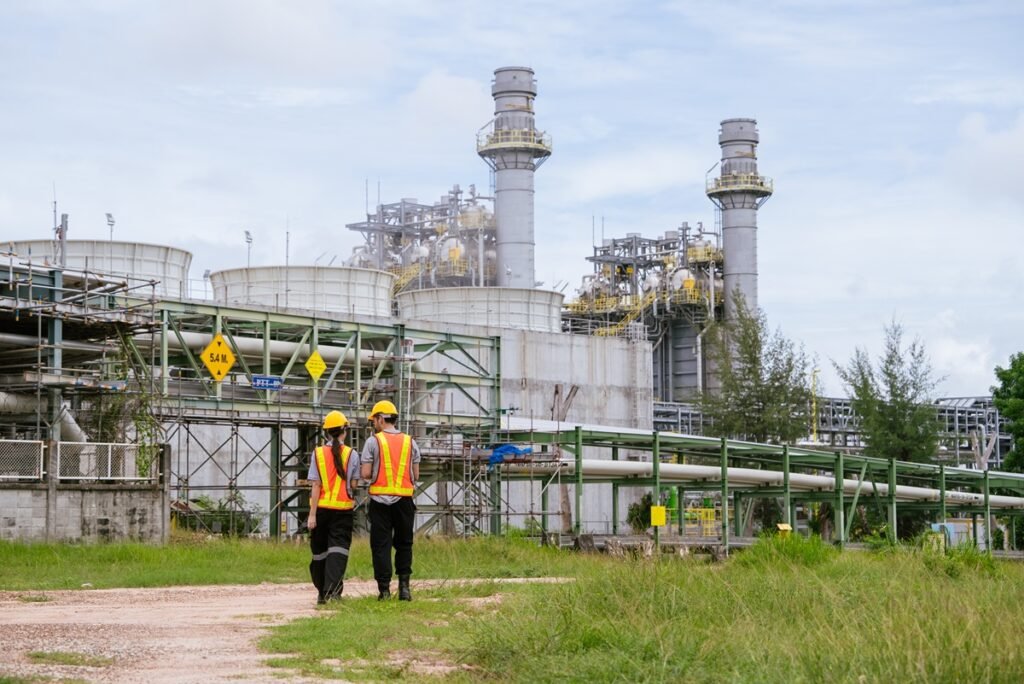
Three risks deserve particular attention in any Permian Basin investment opportunity:
Differential risk. Permian production sells at a discount or premium to the WTI benchmark, depending on takeaway capacity and product mix. While differentials have improved with new pipeline capacity, sensitivity to local pricing should always be modeled.
Service cost inflation. Drilling rigs, frac crews, sand, and water all carry costs that can rise during periods of high activity. Operators with longer-term service contracts and disciplined cost management generally absorb this risk better.
Parent-child well interference. As basins are increasingly developed, child wells drilled near older parent wells can produce less than the parent wells did. Modern operators manage this through spacing optimization, but the risk should be acknowledged.
These are real, manageable risks. Disciplined operators address each one explicitly in their development plans.
Frequently Asked Questions
Why is the Permian Basin such a focus for oil and gas investors?+−
What’s the difference between the Delaware and Midland sub-basins?+−
How much do I need to invest in a Permian Basin deal?+−
Are Permian wells still economic at lower oil prices?+−
Where can I learn more about Permian production data?+−
Basin Information from Sovereign Energy Partners
Sovereign Energy Partners is a US-focused energy investment platform and a subsidiary of Consolidated Energy Holdings, a UK-headquartered energy and natural resources group.
Sovereign provides accredited investors structured access to upstream US oil and gas opportunities, with a focus on operator alignment, transparent deal evaluation, and education-led investor relationships.
Free Investor Guide
Your complete guide to U.S. oil and gas investing
Download our Investor Guide to learn more about investing in the U.S. oil and gas industry.
Disclaimer
For informational purposes only. Not an offer to sell securities. Investment opportunities are available to accredited investors only, and only through official offering documents. Consult your financial, legal & tax advisers before investing. Past performance is not indicative of future results. All investments involve risk, including loss of principal. Oil & gas investments are speculative and high-risk.